
Lead capture
Every enquiry from your ads, site and DMs, in one place.

I take how your business actually works — the steps in your head, the texts, the five apps nobody else understands — and build it into one system you own. So nothing slips, and it runs without you standing over it.

Because the whole process lives in your head — so you're the engine, and it stalls the second you step back.
Because there's no system underneath — so more work just means more plates spinning and thinner margins.
Because nothing's written down — so a new person means weeks of you explaining instead of doing, and you're still the answer to everything.
Because it can't run — or sell — without you standing in the middle of it.
Answer four quick questions about one task. No email, no catch — just the number most owners never stop to add up.
And that's one task. Most owners have three or four running quietly in the background.
Book a call — let's find them
Not software. Not a rebuild. I write down how the work already happens as one system your team can follow — and you actually own. Then, and only then, do we look at the tools worth adding.
Roughly 90% of it isn't software at all.
Everything scattered across your head, texts and apps — gathered into one place, named the way you already talk.
The handoffs between people get fixed, so work moves on its own instead of waiting on you to chase it.
Only the few repetitive jobs actually worth it.
Not features. The days that stop being on fire.
Every enquiry from your ads, site and DMs, in one place.

The right message to the right list, sent on schedule.

Stay top of mind with past clients, written for you.

New leads get nurtured automatically until they buy.

Leads get a reply in minutes, so you win the job.

Turn one job into clips that market you for weeks.

Show up first when people nearby search for you.

Clients send everything you need before a job starts.

Every finished job gets asked for a review, on its own.

Take a week off and the business runs without you.

Find any past job in under a minute, fully attached.

Your feed stays active without eating up your week.

Invoices and reminders chase the payment, not you.
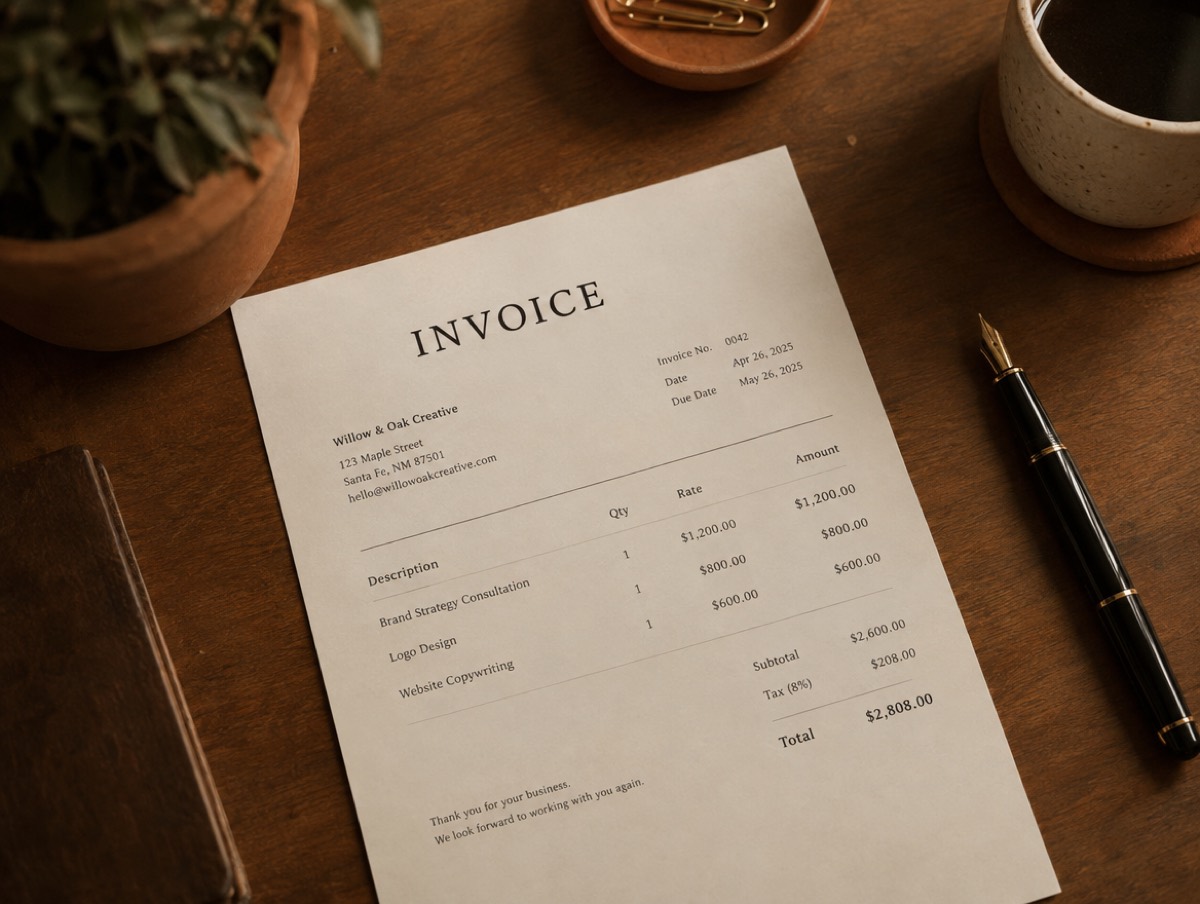
Every job bills the same way, on time and in full.

Check-ins go out on schedule, so nothing goes cold.

Who's where, booked once and visible to everyone.

One place per job that anyone can pick up cold.

Estimates come off real costs, so you stop underpricing.

See what came in, what went out and what's owed.

Clients always know exactly what's happening next.

Every new client gets the same smooth first week.

Work lands where it should, not lost between people.

Anyone can step in and cover on the day you're out.

Happy clients get asked to refer at the right moment.

Seasonal offers go out on their own to fill slow weeks.
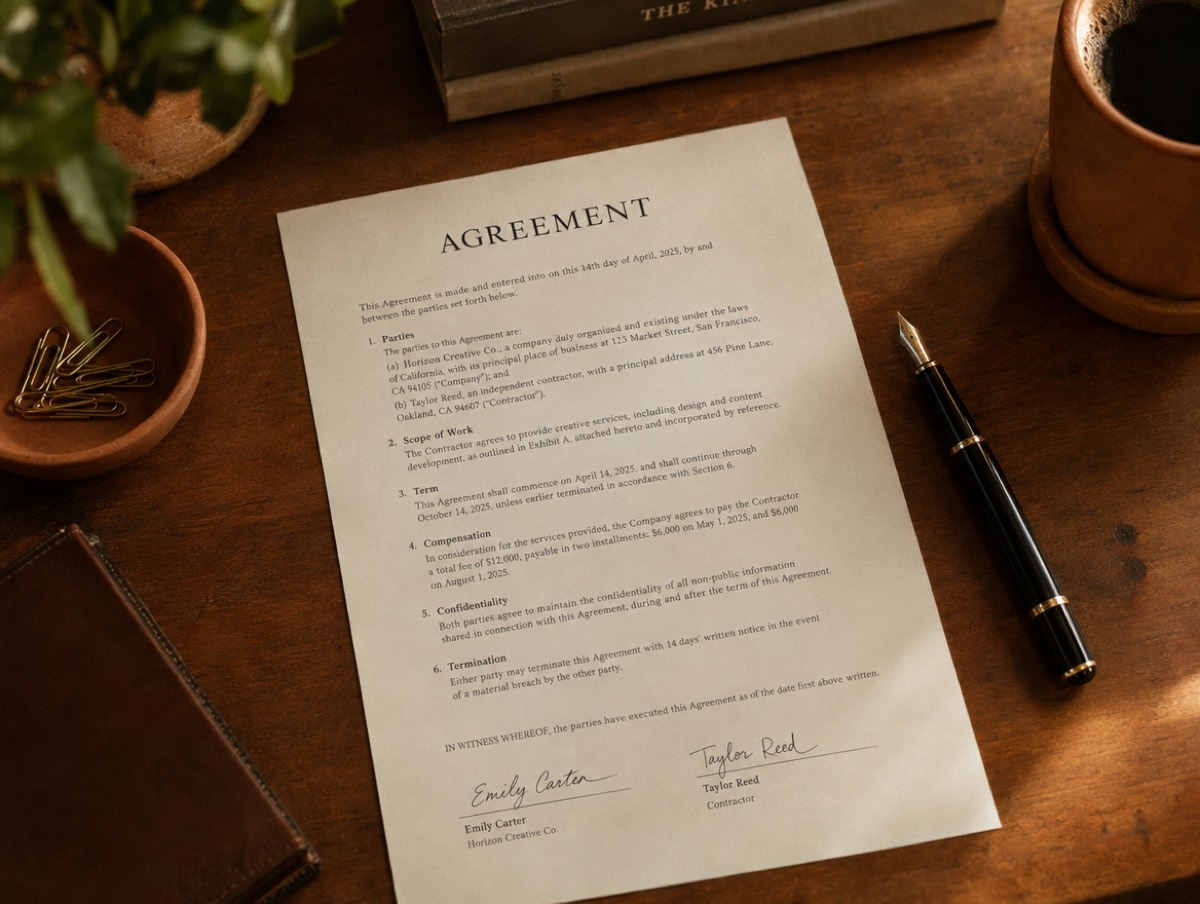
Send, sign and file every agreement in one flow.

Every ad click gets followed up, so none go to waste.

Clients book your open slots — no more phone tag.

Reminders cut the appointments that quietly vanish.

Reminders and offers by text, where they get read.

Quiet past customers get a reason to come back.

Your whole process, written down in your own words.

Built to hold up in the weeks when you're slammed.

New hires get up to speed from how you already work.

Stock gets reordered before you ever run low.

Extras make it onto the invoice every single time.
Every photo and file lives right with its job.

The role gets written first, so you hire for the job.

A business that runs is worth more when you sell.
These are just the ones that fit on a card. Almost anything you do the same way twice can run this way.
Book a call — we'll find yours
Boxes and arrows on a wall. You see the whole thing at once — most owners, for the first time.

The handoffs where work stalls, gets dropped, or quietly waits on you.

Plain files you own. Your team can run it — and it never leaves with anyone.

We run it against real work, find what still snags, and fix it — so it holds up on your worst week, not just a good one.

New people start faster, follow-up goes out, and a day off stays a day off.
Tell me how the work actually moves through your business. I'll tell you the first thing I'd fix — on the call, free.
Book a free call